
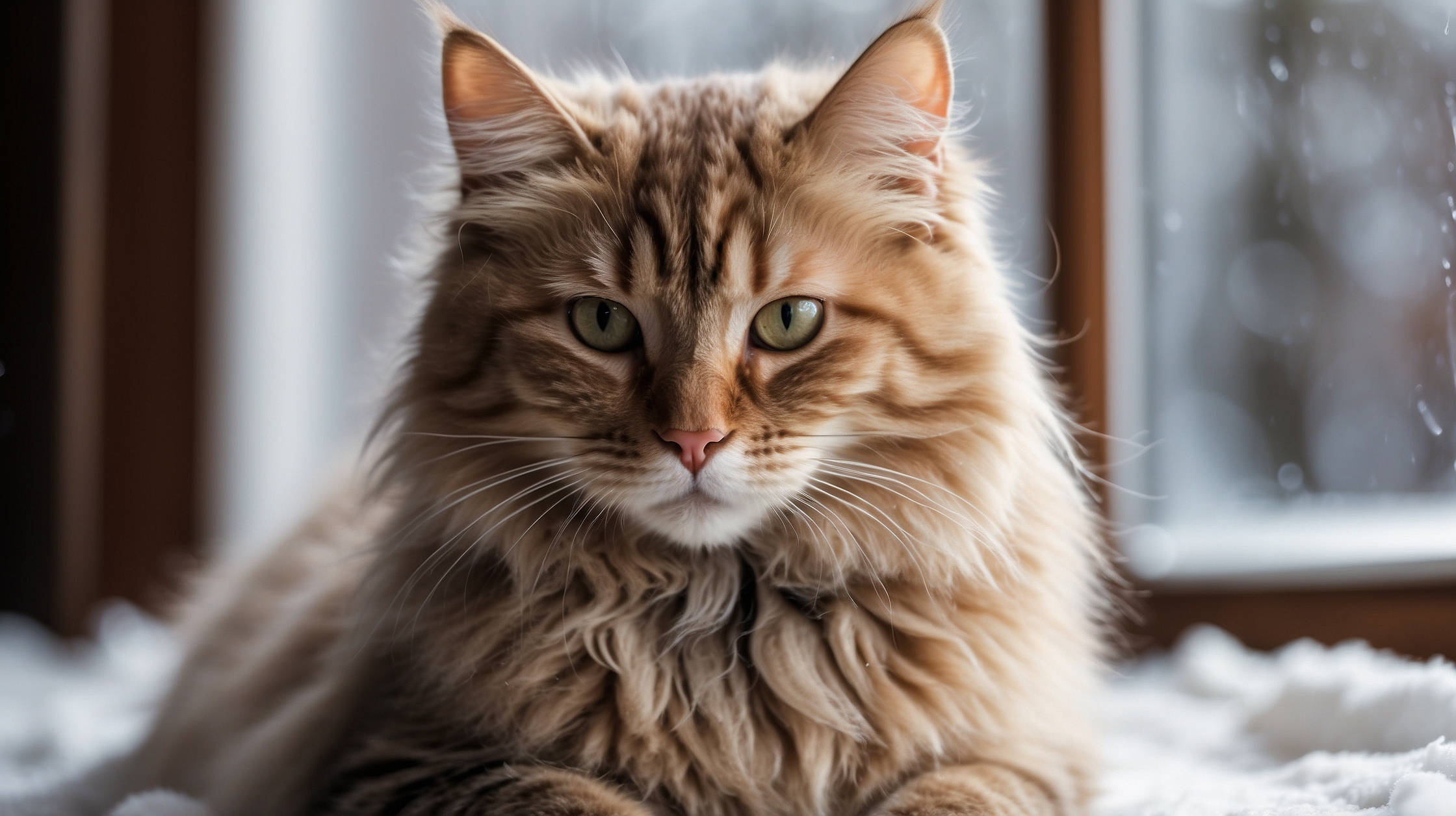
As temperatures drop, pet owners everywhere begin to wonder how the cold might affect their furry friends. While cats are known for their resilience and adaptability, they are not immune to the impact of cold weather. Recognizing the signs that your cat is feeling cold and understanding how to mitigate the risks is crucial for their health and happiness. With their independent nature, cats may not always make their discomfort obvious, but there are clear cues every attentive pet parent should watch for.
From subtle behavioral changes to physical signs like curled-up posture or seeking out warm spaces, felines have their own ways of signaling discomfort or danger due to low temperatures. Learning to read these signs, adjusting your home environment, and knowing when to seek help can make all the difference in keeping your cat safe during the chilly months.
Quick overview of how cold affects cats and what to do
| Key Concern | Details |
|---|---|
| Temperature sensitivity | Cats are sensitive to cold below 45°F (7°C) |
| Key behaviors to watch | Shivering, curled posture, hiding, lethargy |
| High-risk groups | Kittens, senior cats, short-haired breeds, sick felines |
| What to do | Provide warm bedding, limit outdoor time, ensure proper nutrition |
| When to call the vet | If the cat is unresponsive, appears confused, or stops eating |
Understanding how the cold influences feline behavior
Unlike humans, cats won’t pull on a sweater or grab a blanket when cold—but their actions speak volumes. When temperatures fall, one of the first things cats do is seek out warmth. You might find your cat nestled behind electronics, underneath furniture near heaters, or even burrowed deep into blankets or laundry. These are strong signs that your pet may be feeling chilly and is trying to conserve heat.
Behavioral changes also become evident. A typically energetic cat may grow lethargic, while an affectionate feline could become irritable or avoidant. Shivering, trembling, or walking with a hunched posture are all alarm signals. If you notice these, it’s time to take action to warm them up and observe for any worsened symptoms.
Feline hypothermia and why it’s more common than you think
Hypothermia in cats can develop when body temperature drops below normal (approximately 100.5°F or 38°C). Mild hypothermia may result in weakness, slow reactions, or clumsy movements. Severe cases can lead to shock, coma, or even death if not addressed quickly. Surprisingly, this condition is not limited to outdoor cats—indoor environments that remain cold and unheated, especially overnight, may still pose dangers.
Short-haired breeds or hairless cats like the Sphynx are especially susceptible, as are kittens, senior cats, and those with compromised immune systems. Wet fur combined with cold air accelerates heat loss dramatically, making post-bath care particularly crucial during winter months.
Cold weather can seriously impact a cat’s health, particularly if hidden signs are missed by their owners. These animals are independent, but they rely on us during harsh conditions.
— Dr. Elaine Foster, Veterinary Specialist
Safe temperature ranges every cat owner should know
According to veterinary guidelines, the ideal indoor temperature for cats ranges from 75°F to 80°F (24°C to 27°C). If your home routinely falls below 60°F (15.5°C) during the winter nights, your pet could be at risk. For homes that dip into low temperatures, adding heating pads or heated pet beds could be a worthwhile investment to safeguard your cat’s well-being.
Outdoor cats, or those with access to outdoor areas, are at even higher risk. Cats should not be allowed outside when temperatures fall below 45°F (7°C). At this point, the risk of frostbite and hypothermia grows significantly. Looking to create an outdoor refuge? Consider insulated winter shelters that maintain warmth and keep wind and moisture out.
Subtle behavior changes that could signal your cat is too cold
Besides the obvious signs like shivering or huddling in warm places, there are subtle behavioral shifts that could signal thermal discomfort. Increased sleep time, changes in mealtime behavior, or even grumpiness may stem from being cold. A cat that previously loved lounging near windows might suddenly avoid them. Feeding frequency might drop because the cold suppresses appetite or because moving around has become unpleasant.
Monitoring your cat’s energy levels and noting unusual hiding is essential. Their instinct to conserve body heat might lead to less movement and more time crouched in tight positions, reducing their metabolic activity. While occasional behavior swings are normal, prolonged changes—especially during cold periods—warrant closer attention.
How to help cats stay warm and comfortable indoors
Keeping your indoor cat warm doesn’t require a complete household overhaul. Start with your cat’s favorite rest areas—place soft fleece blankets, heating pads (specifically safe for pets), or beds near heat sources. Cats love warmth, and providing these options lets them self-regulate their temperature safely.
Make sure drafty windows or poorly insulated doorways are sealed or blocked to maintain warmth. Avoid placing beds near such areas or tile floors, which draw away body heat. Elevated perches and warm, covered cat caves are popular solutions that encourage thermal comfort without sacrificing independence.
Nutrition also plays a key role. In colder months, cats may need additional calories to help meet the energy demands of staying warm. Consult with your vet before adjusting their intake, especially for older cats where metabolism may have slowed.
Tips for keeping outdoor and feral cats safe during winter
Feral cats or those accustomed to living outdoors face the harshest challenges. For these felines, setting up insulated, water-resistant shelters can provide a layer of protection. These shelters should be small enough to trap body heat but large enough for the cat to move comfortably. Straw—not blankets—is recommended for bedding, as it resists moisture and maintains insulation.
Also, keep food and water accessible. Use heated bowls or refresh water frequently to prevent freezing. Place food in dry, slightly elevated areas to avoid it getting wet or snow-covered. Avoid the temptation to serve wet food outdoors in freezing conditions, as it can freeze and become inedible quickly.
When you should seek veterinary attention
If your cat exhibits signs like persistent shivering, confusion, very slow breathing, or becomes unresponsive, it’s crucial to seek medical help immediately. Hypothermia and frostbite aren’t conditions you can treat solely at home. Frozen ear tips, paw pads, or tails are emergency indicators, particularly in outdoor cats exposed to snow or icy ground.
Even a brief exposure to freezing temperatures can trigger serious physiological effects in cats. Being proactive saves lives.
— Dr. Samuel Grant, Veterinary Emergency Clinician
FAQs about cats and cold weather
What temperature is too cold for cats?
Temperatures below 45°F (7°C) can be dangerous for most cats, especially vulnerable breeds or those with health issues.
Do cats get cold easily indoors?
Yes, especially in unheated homes or during the night. Low indoor temperatures can result in discomfort or even illness.
Does fur protect cats enough during winter?
Fur provides limited insulation. Short-haired or hairless breeds are significantly more at risk and need extra attention during the cold months.
Can I use a heating pad for my cat?
Yes, but only heating pads specifically designed for pet use, which regulate temperature safely.
Should I let my cat outside in winter?
It’s best to keep cats indoors when the weather is cold. If your cat ventures outside, limit exposure and ensure they have proper shelter.
What are signs my cat is too cold?
Look for shivering, lethargy, hiding, huddled posture, or avoidance of cold surfaces or areas.
Can older cats handle cold better?
No, older cats are actually more vulnerable due to slower metabolism and potential underlying health issues.
What should I feed my cat in winter?
Ensure a nutritious, well-balanced diet. Some cats may require increased calories—consult your vet for personalized advice.