
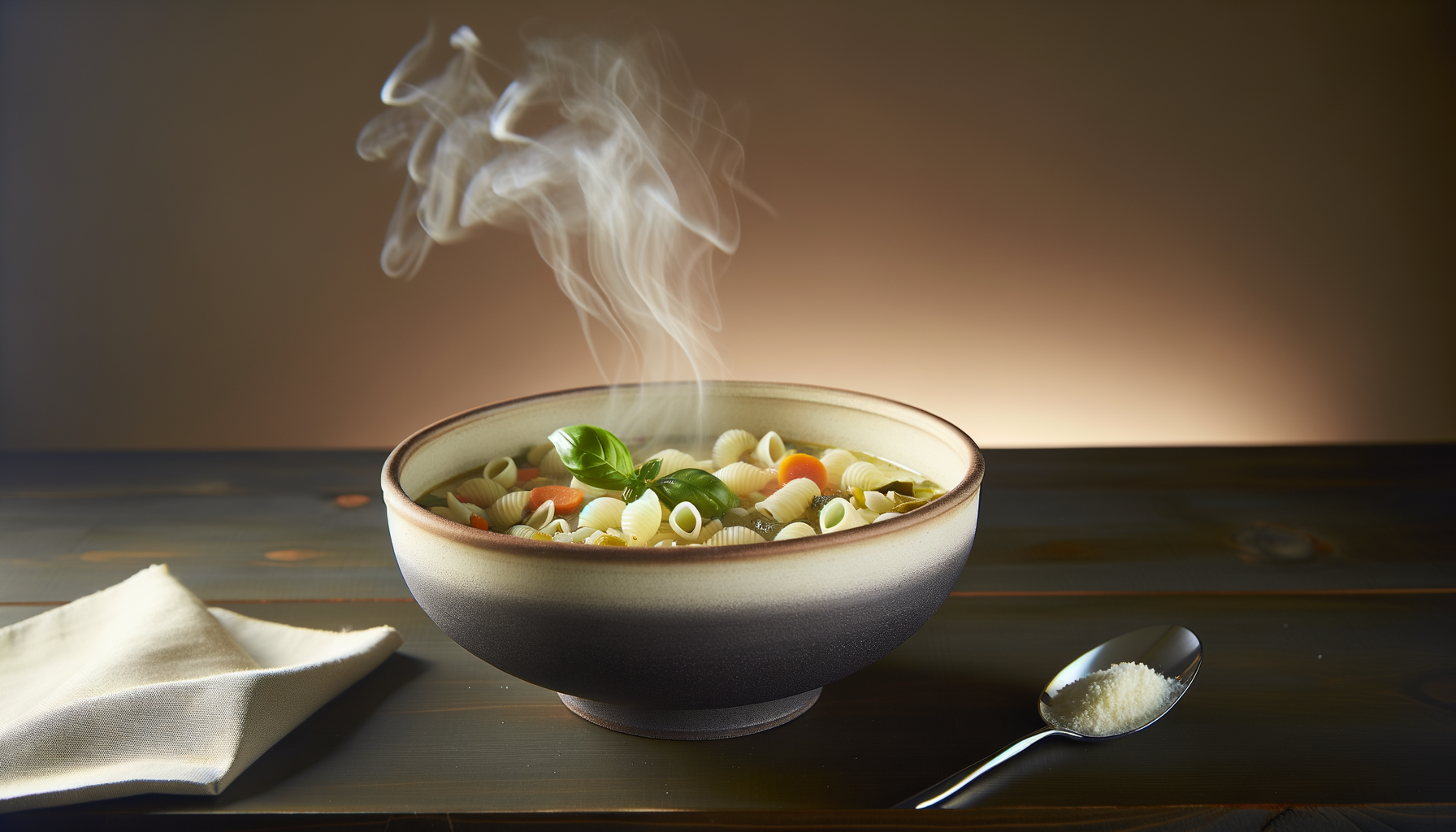
As colder months settle in, there’s no better time to explore comforting, healthful meals that warm the soul while nourishing the body. This winter, one dish rises above the rest in culinary simplicity and nutritional punch: an Italian soup known as **Minestrone**. This hearty blend of pasta, vegetables, beans, and fragrant herbs is more than just a bowl of soup—it’s a centuries-old tradition designed for sustainability, flavor, and wellness.
Minestrone is more than just a comfort food. It embodies the Mediterranean diet’s best qualities, offering a wholesome way to enjoy fiber-rich vegetables and complex carbohydrates from legumes and pasta. What sets this Italian classic apart is its flexibility—you can tailor it to what’s in season or in your pantry without compromising taste. Whether you’re a dedicated foodie or just looking for a new family dinner staple, minestrone soup may be your best strategy for staying healthy and satisfied all winter long.
Quick overview of this Italian winter soup
| Dish Name | Minestrone Soup |
| Cuisine | Italian |
| Main Ingredients | Vegetables, Pasta, Beans, Tomato base |
| Prep & Cook Time | 45–60 minutes |
| Dietary Benefits | High fiber, Plant-based protein, Antioxidants |
| Seasonal Fit | Winter, cold weather |
Why minestrone soup is loved for winter meals
Minestrone soup emerged from a long tradition of rustic, “frugal” Italian cooking—built on making the most of seasonal, available ingredients. Its enduring appeal, especially in cooler climates, comes from its combination of warming broth, satisfying texture, and adaptable recipe. As families look for nourishing and budget-friendly meals during colder months, minestrone ticks all the right boxes. It serves as a complete meal on its own, rich in vitamins A and C, folate, iron, and potassium thanks to the vegetables like carrots, tomatoes, spinach, and zucchini.
The inclusion of beans makes it a **complete protein source** for plant-based eaters, while the pasta, ideally whole grain or gluten-free varieties, offers slow-burning carbohydrates to keep energy levels stable throughout the day. A drizzle of olive oil and a sprinkle of parmesan cheese round out each bowl with umami depth and a hint of indulgence.
The anatomy of a perfect minestrone soup
While families across Italy have their own versions of minestrone, a few ingredients form the common base. The classic minestrone features:
- Onions, carrots, and celery—sometimes called the “soffritto” base
- Garlic for an aromatic backbone
- Tomato puree or crushed tomatoes for acidity and color
- Seasonal vegetables such as zucchini, cabbage, or spinach
- Canned or cooked beans: cannellini, kidney, or borlotti
- Pasta or rice for heft—ditalini, elbow macaroni, or orzo are popular
- Herbs: basil, thyme, oregano, parsley
- Grated parmesan and olive oil for finishing
You can always adjust based on dietary needs or whatever’s available in the fridge. In fact, the best minestrone often comes from leftovers—half a can of beans here, a lone zucchini there, or even some wilted spinach just past peak.
Health benefits that go beyond comfort
According to nutrition experts, minestrone soup offers a powerhouse of health benefits particularly useful during winter months. Vitamins from root vegetables support immunity, legumes provide protein and digestive benefits, and seasoned broth helps keep you hydrated—a surprisingly easy deficiency during colder times.
Whole grains and legumes also aid gut health, supporting long-term energy instead of sugar spikes. The antioxidants in tomatoes, carrots, and leafy greens have been linked to reduced inflammation, which is especially helpful during flu season.
“Minestrone is more than a meal—it’s a wellness habit. You’re nourishing your body with each spoonful of fiber, minerals, and plant-based goodness.”
— Dr. Elisa Marino, Nutritionist
Budget-friendly and zero-waste cooking
Especially during inflationary periods, many families are turning to hearty soups to stretch their grocery budgets. Minestrone is ideal for using leftover produce and dry pantry goods. Its flexible recipe makes it incredibly **budget-friendly**, and the slow cooking method allows for flavor-building even from modest ingredients.
Stale ends of vegetables, softening tomatoes, even a tablespoon of spare pesto can add dimension to the dish without waste. It epitomizes the sustainable, use-everything mindset of traditional Mediterranean kitchens.
Tips for enhancing your next pot
- Use vegetable broth instead of water for deeper flavor
- Add a parmesan rind during simmering for added umami
- Finish with lemon zest or red chili flakes for brightness
- Try different bean-pasta combinations to keep it exciting
- Make a double batch and freeze portions for easy future meals
“The beauty of minestrone is that you never make it the same way twice. It’s the jazz of soups—creative, soulful, improvisational.”
— Paolo Rizzo, Italian Chef
Vegan, gluten-free, and customizable options
Minestrone is naturally adaptable to many diets. To keep it **vegan**, omit cheese or use plant-based parmesan. For gluten-free versions, swap out the pasta for certified gluten-free noodles or wild rice. Those seeking extra protein can add lentils, tofu cubes, or even leftover shredded chicken.
In essence, minestrone serves as a foundation rather than a fixed recipe—ideal for today’s fast-changing ingredient availability and evolving dietary preferences.
Storing and reheating your minestrone
Like many traditional soups, minestrone often tastes even better the next day. The flavors meld and deepen overnight. Store in airtight containers in the fridge for up to 5 days, or freeze individual portions for up to 3 months. Be sure to keep pasta al dente to avoid over-softening when reheating.
If planning to freeze, consider cooking pasta separately and adding freshly when serving. A splash of hot broth and a light drizzle of olive oil revive reheated soup delightfully.
Frequently asked questions about minestrone soup
Can I make minestrone soup in a slow cooker?
Yes, minestrone works beautifully in a slow cooker. Add all ingredients except pasta and cook on low for 6–8 hours. Add cooked pasta in the final 30 minutes.
What’s the best pasta type for minestrone?
Small shapes like ditalini, elbow, or orecchiette hold up well and distribute evenly. Whole grain or legume-based pastas offer extra nutrition.
Is minestrone soup good for weight loss?
Absolutely. High in fiber, low in calories, and nutrient-rich, it supports satiety and healthy digestion, which are key for weight management.
Can I freeze minestrone with pasta in it?
You can, but the pasta may become softer upon reheating. For best results, freeze the soup without the pasta and add it freshly when reheating.
How can I add more protein to the soup?
Incorporate lentils, quinoa, tofu, or lean meats like shredded chicken or turkey for a protein kick.
Can I serve minestrone with anything else?
It pairs well with crusty bread, a side salad, or grilled vegetable sandwiches for a fuller meal.
What herbs add the most flavor?
Basil, thyme, oregano, and parsley are traditional and work well. Bay leaf during cooking also adds subtle complexity.
Is minestrone soup always vegetarian?
Traditionally yes, but some versions include pancetta or chicken broth. For vegetarian or vegan versions, use vegetable broth and skip any meat or dairy.