
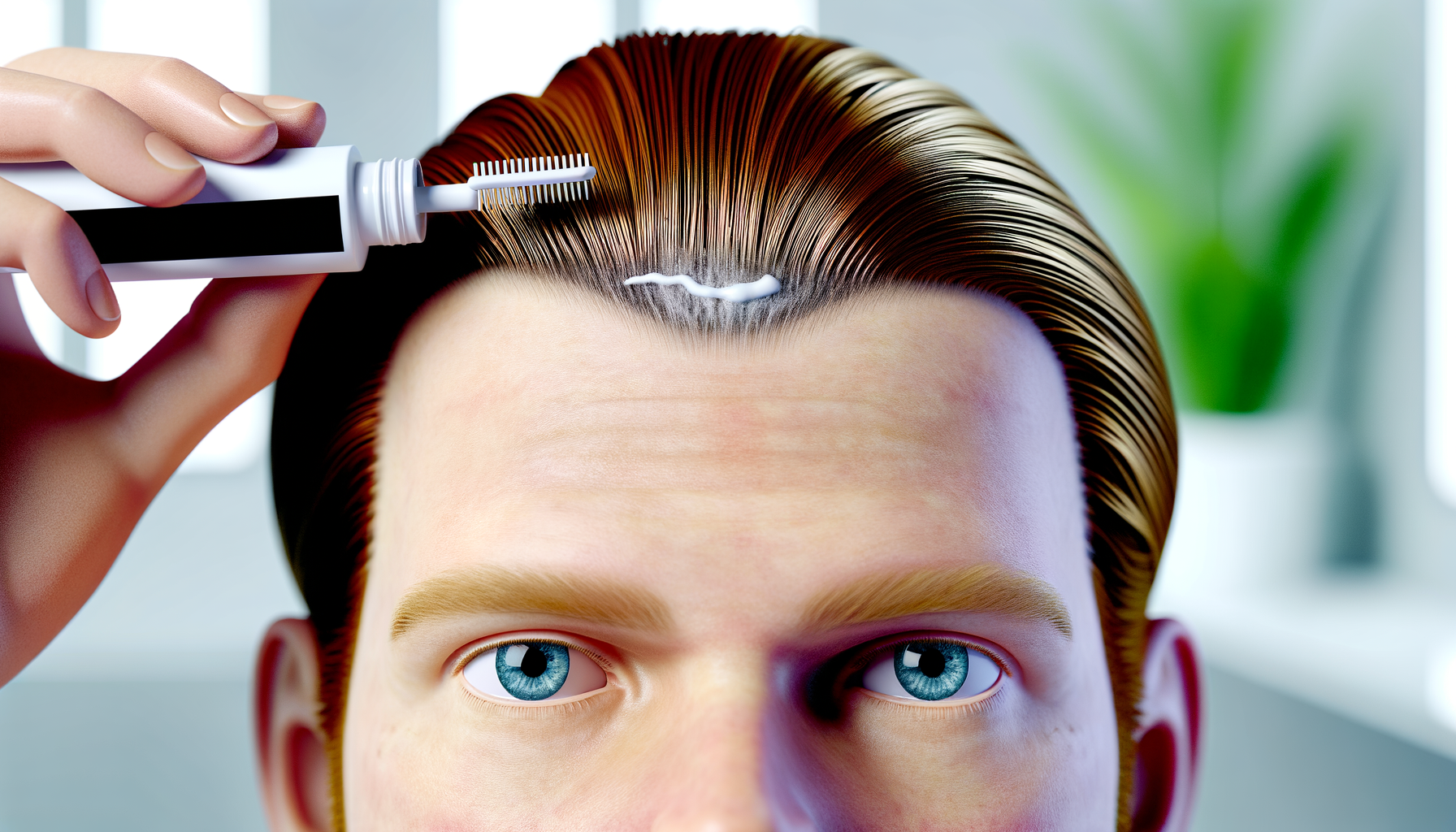
For many people with **fine or thin hair**, achieving volume and lift at the roots can be a constant battle. Despite trying all the right styling techniques and investing in quality tools, the results often fall flat—literally. One of the most overlooked culprits behind lackluster hair volume isn’t your blow-drying method or mousse formula; it’s what happens in the shower. Specifically, **using heavy conditioners on the roots** of fine hair is a common mistake that sabotages volume before styling even begins. While moisture is essential for hair health, not all products are created equal for every hair type.
Conditioners are designed to hydrate, detangle, and smooth strands, but when applied too close to the scalp, especially if they are rich in oils and silicones, they can **weigh down fine hair**, strip away natural lift, and lead to premature greasiness. This article dives deep into the science and styling reasons behind this problem, detailing how product placement, formula selection, and scalp behavior all interact to kill root volume—and more importantly, how to fix it for good.
Quick overview of how heavy conditioners affect fine hair
| Topic | Summary |
| Root volume loss | Heavy conditioners flatten hair at the roots, stripping natural body and lift |
| Product buildup | Rich formulas with oils and silicones cling to scalp and weigh down strands |
| Greasy appearance | Conditioners applied near roots can accelerate scalp oiliness |
| Hair texture mismatch | Fine hair absorbs more product, which can oversaturate and collapse style |
| Proper application | Mid-length to ends is safest; avoid root zone unless using a specialty lightweight formula |
Understanding the needs of fine hair versus thick hair
Fine hair strands are smaller in diameter and contain fewer cuticle layers compared to coarse or thick hair. While this makes fine hair naturally smoother, it also makes it **more susceptible to collapse under weight**. Thick or curly hair thrives on heavier, oil-rich conditioners that help tame texture and frizz—something that fine hair simply doesn’t need. Unfortunately, many people apply conditioner indiscriminately from roots to ends without recognizing the specific moisture needs of their hair type.
The key misunderstanding lies in assuming all conditioners function the same across hair textures. **Fine hair absorbs more product per strand**, which means it quickly becomes saturated. When the wrong type of conditioner—that is, one designed for nourishing or repairing heavily damaged or textured hair—is applied too close to the scalp, the result is flat, oily hair lacking bounce and airiness.
Why applying conditioner to the roots is problematic
The scalp naturally produces sebum, an oil that keeps skin and hair moisturized. For people with fine hair, this natural oil is often enough to nourish the roots. Adding additional moisture from a heavy conditioner at the scalp level not only becomes redundant but also disrupts the **natural oil balance**, causing the hair to become greasy faster and lose structure.
Moreover, conditioner’s primary job is to **seal and soften the cuticle**, which is beneficial on the ends but counterproductive at the roots. When used too close to the scalp, conditioners coat the roots in lubricants that reduce tension and friction—two essential elements for volumizing. Blow-drying or lifting from the scalp becomes less effective because there’s no grip, only slippery strands that fight against body and structure.
The science behind weight and volume loss
Hair volume is not only a matter of style preference but also physics. Hair has “lift” when the roots are able to stand slightly away from the scalp instead of lying flat. When heavy ingredients like shea butter, jojoba oil, or silicones build up around the follicle, the hair’s natural spring is lost and gravity does the rest. Additionally, heavy conditioners close the hair cuticle excessively. While this is soothing for damaged strands, it can cause fine hair to become overly soft and lacking the necessary micro-friction to hold volume during styling.
“Most fine-haired clients unknowingly compromise their volume during the washing stage,” says renowned stylist Emma L. Torres. “The biggest favor you can do for your hair is to switch to a **lightweight, protein-based conditioner** and apply only from mid-lengths to ends.”
How to properly condition fine hair
When caring for fine hair, application technique is just as important as the product itself. Here’s a simple best-practice routine to preserve volume and natural bounce:
- Use a **lightweight or volumizing conditioner** specifically formulated for fine hair
- After shampooing, gently squeeze out excess water to help even distribution
- Apply conditioner starting at the **mid-lengths** (around the ears) and work downwards
- Never apply conditioner directly to the scalp or root area
- Rinse thoroughly to avoid buildup or residue
The goal is to **hydrate the sections that need it most**—usually the drier ends—while leaving the root zone clean and free for volumizing. If additional scalp treatment is needed, select a clarification or exfoliating pre-wash designed safely for fine hair.
Winners and losers: Product application habits
| Winners | Losers |
| People who use volumizing conditioners on mid-lengths only | People who apply moisturizing conditioners to the scalp |
| Those rinsing thoroughly to prevent residue | Those skipping rinsing time or using excess product |
| Users who clarify scalp weekly | Those relying solely on conditioning masks |
Choosing the right conditioner for your hair type
Not all conditioners are enemies of volume—it’s all about the label and your selection. When shopping for products, fine-haired individuals should look for labels like “weightless hydration,” “volumizing,” or “light moisture.” Ingredients like panthenol, keratin, or hydrolyzed proteins offer structure without oil overload.
On the flip side, beware of formulas marketed for “dry and damaged” or “intensive moisture” unless your hair has been bleached or chemically treated and only on the ends. Avoid ingredients like coconut oil, cocoa butter, and silicone blends as first-listed ingredients in daily-use conditioners if you’re concerned about volume retention near the roots.
You wouldn’t wear hiking boots for ballet. Similarly, **your hair products must match your hair’s structure and need**.
— Rachel Shin, Cosmetic Chemist
Signs you’re using the wrong conditioner method
If you’ve been struggling with a lifeless crown or constantly feeling like day-two hair arrives too soon, your root-heavy conditioning tactic may be to blame. Here are red flags:
- Flat or limp roots right after blow-drying
- Hair looks greasy within 24 hours after washing
- Constant need for dry shampoo on clean hair
- Hair stuck to scalp with no bounce
Solving the issue may be as simple as **changing your conditioning placement** or choosing a more appropriate formula for your hair texture. Results are often immediate—lighter, fresher roots and longer-lasting body throughout the day.
Final thoughts on maintaining volume in fine hair
Volume begins in the shower, not the salon. Avoiding root-level application of rich conditioners gives your strands a fighting chance at lift and body. By choosing products tailored for fine hair, adopting more strategic applications, and reframing conditioner as a mid-to-ends treatment rather than an all-over cream, you create the ideal foundation for any volumized style.
Once you establish this as part of your routine, you’ll likely notice significantly less styling effort required to rev up your roots. The added benefit? Fresher hair for longer between washes—saving both your time and your strands.
Frequently Asked Questions (FAQs)
Can I use any conditioner if I have fine hair?
No, it’s important to choose a **lightweight, protein-based conditioner** formulated for fine hair to avoid weighing it down.
How can I tell if my conditioner is too heavy?
If your hair feels flat right after washing or gets greasy quickly, this may signal your conditioner is too rich for your hair type.
Should I apply conditioner to my scalp?
Absolutely not for fine hair. Apply only from **mid-lengths to ends**. The scalp usually doesn’t need added conditioning and doing so can flatten roots.
How often should I use conditioner?
2–3 times a week is sufficient for most people with fine hair. Overuse can lead to buildup and excess softness.
What ingredients should I look for?
Look for **panthenol, keratin, or hydrolyzed wheat protein**. Avoid heavy oils and silicone blends listed early in the ingredient list.
Can volumizing shampoos help?
Yes! Pairing a **volumizing shampoo** with a lightweight conditioner is a powerful combo for lifting fine hair from the root.
Will skipping conditioner damage my hair?
Skipping occasionally is fine, especially after deep conditioning. Just avoid repeated washing without replenishment for your ends.
Are leave-in conditioners good for fine hair?
Use sparingly and only on the ends. Opt for **spray formats** designed for weightless hydration.