
The FIFA World Cup is the biggest stage in football. Every four years, the world watches as nations compete for glory, and legends are born. While many great players have shined at club level, only a few have dominated football’s grandest tournament and left a lasting legacy.
From unforgettable goals to match-winning performances, certain players have defined entire World Cup eras. This article explores the Top 10 Greatest World Cup Players Ever, ranked based on influence, achievements, consistency, and unforgettable moments.
1. Pelé (Brazil)

4
Pelé is widely regarded as the greatest World Cup player of all time. The Brazilian legend remains the only footballer to win three FIFA World Cups in 1958, 1962, and 1970.
Pelé burst onto the global stage at just 17 years old during the 1958 World Cup. His stunning hat-trick against France in the semifinal and two goals in the final made him an instant global icon. In 1970, he played a crucial role in leading Brazil to one of the greatest team performances ever seen.
Pelé combined skill, creativity, and goal-scoring ability like no other player. His influence helped transform football into a global phenomenon.
2. Diego Maradona (Argentina)

Diego Maradona delivered arguably the greatest individual World Cup performance in history during the 1986 tournament. He single-handedly carried Argentina to victory.
Maradona’s two goals against England remain legendary. The first was the controversial “Hand of God” goal, while the second is widely considered the greatest goal ever scored in football history.
Throughout the tournament, Maradona displayed unmatched leadership, creativity, and determination, making him one of the most iconic World Cup players ever.
3. Lionel Messi (Argentina)
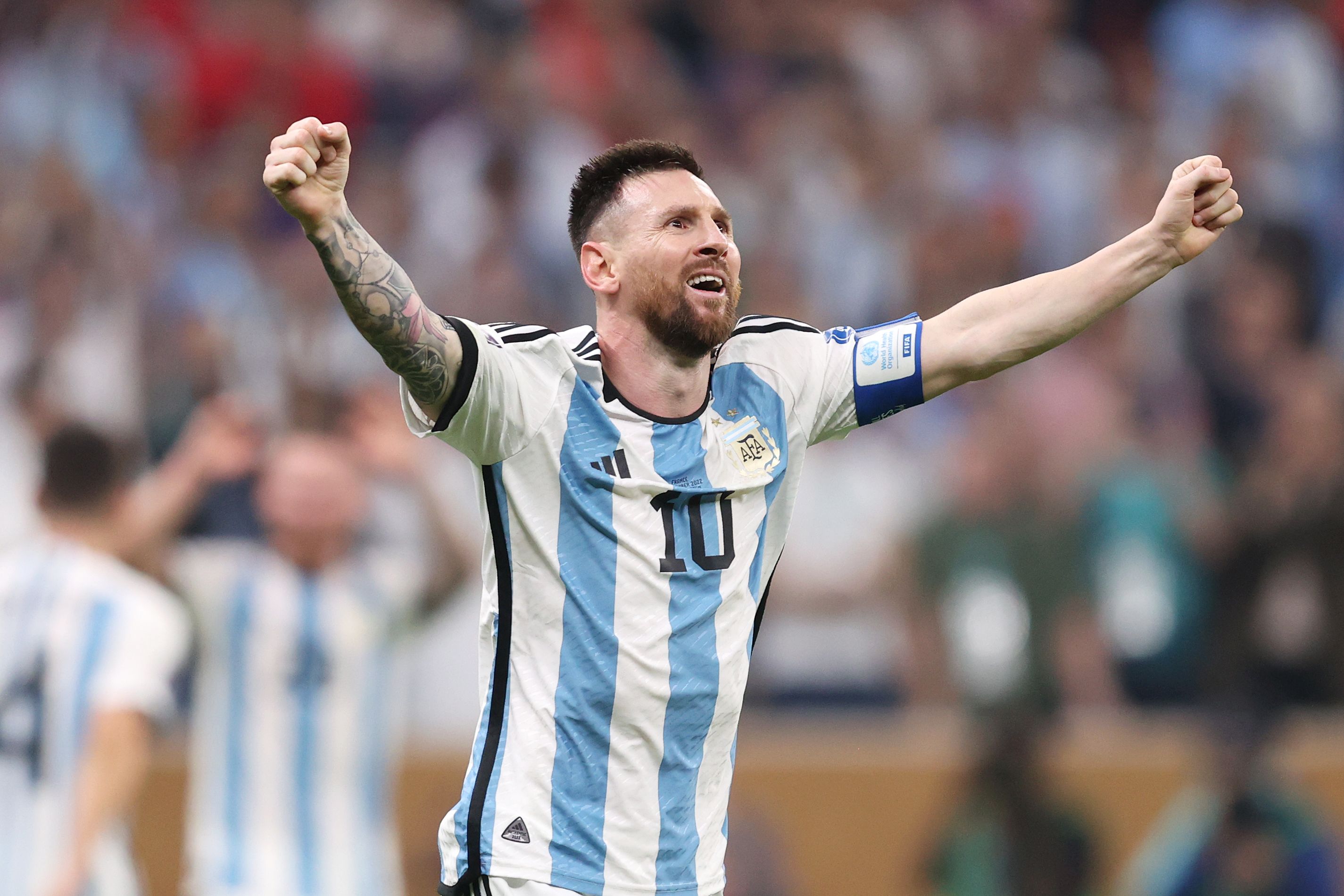
Lionel Messi cemented his legacy as one of football’s greatest players by winning the 2022 World Cup. His performances in Qatar showcased leadership, skill, and extraordinary consistency.
Messi scored crucial goals throughout the tournament and delivered an unforgettable performance in the final against France. His ability to influence games and inspire teammates elevated Argentina to glory.
Winning the World Cup completed Messi’s legendary career and secured his place among the greatest World Cup players of all time.
4. Zinedine Zidane (France)
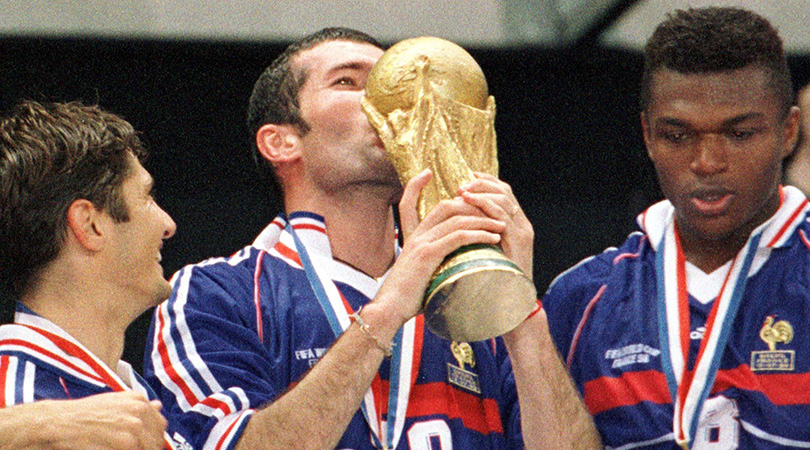
Zinedine Zidane played a defining role in France’s World Cup history. His two headers in the 1998 World Cup final helped France secure their first-ever title.
Zidane also delivered a magical performance during the 2006 World Cup, leading France to the final. His leadership, vision, and technical brilliance made him one of the most elegant midfielders in World Cup history.
Despite his controversial red card in the 2006 final, Zidane remains a legendary figure in football.
5. Ronaldo Nazário (Brazil)
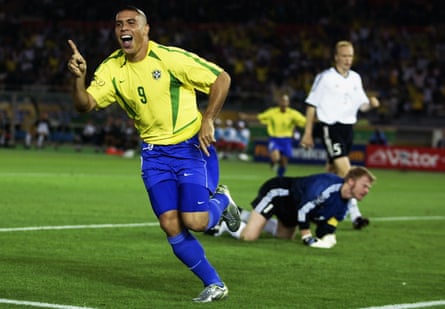
Ronaldo Nazário, famously known as R9, was one of the most explosive strikers in World Cup history. After suffering a serious injury before the 1998 final, Ronaldo made an incredible comeback in 2002.
He scored eight goals in the 2002 World Cup, including two goals in the final against Germany. His speed, dribbling ability, and clinical finishing made him unstoppable.
Ronaldo’s comeback story remains one of football’s most inspiring journeys.
6. Franz Beckenbauer (Germany)
4
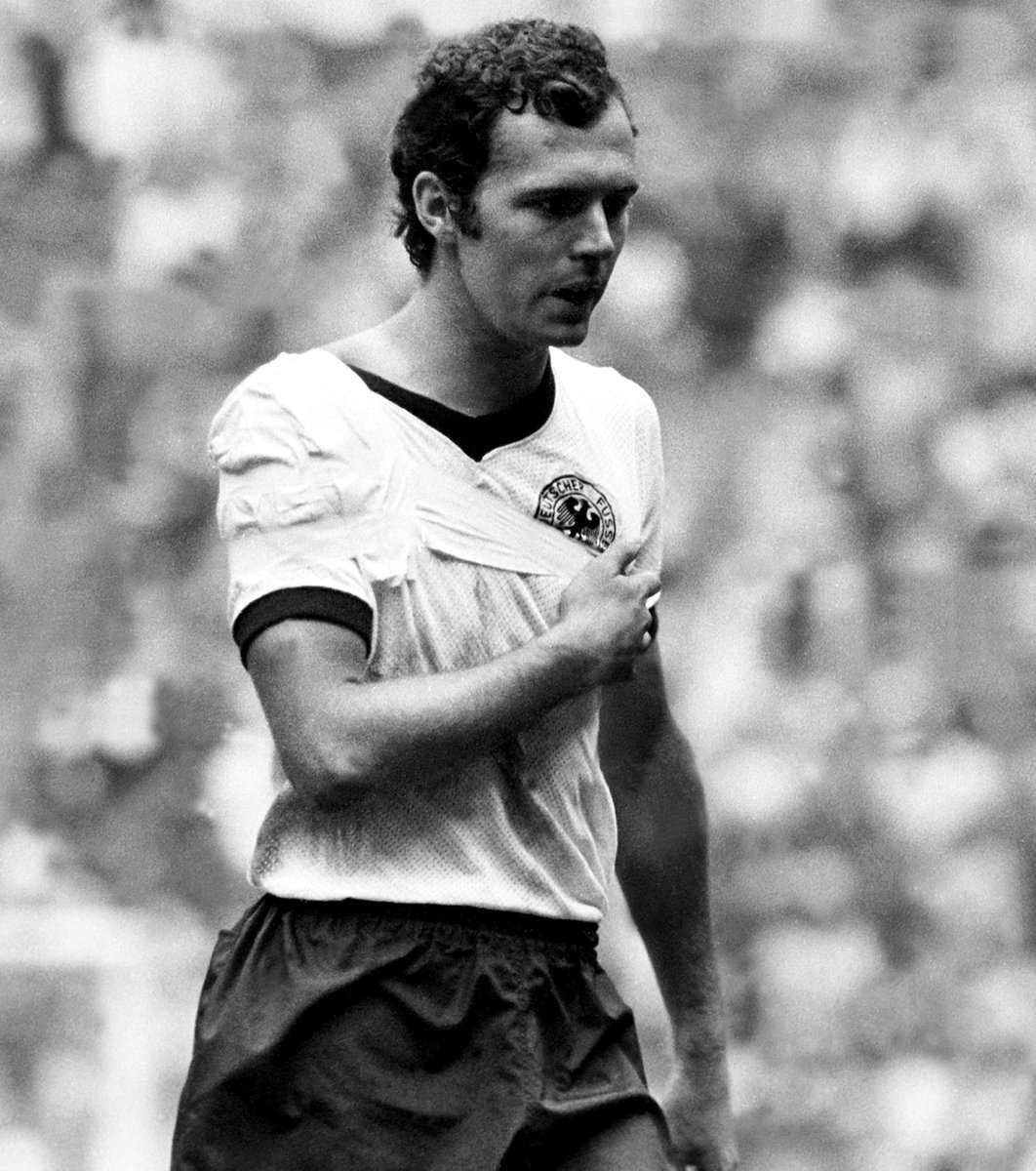
Franz Beckenbauer revolutionized football with his role as a modern sweeper. He led West Germany to World Cup victory in 1974 and also played a key role in the 1966 and 1970 tournaments.
Beckenbauer was known for his tactical intelligence, leadership, and composure. His ability to control matches from defense changed the way football was played.
7. Johan Cruyff (Netherlands)

Johan Cruyff transformed football through his philosophy of Total Football. During the 1974 World Cup, Cruyff led the Netherlands with exceptional creativity and tactical brilliance.
Although the Netherlands finished as runners-up, Cruyff’s influence on football tactics and style remains unmatched. His famous “Cruyff Turn” is still widely celebrated in modern football.
8. Miroslav Klose (Germany)
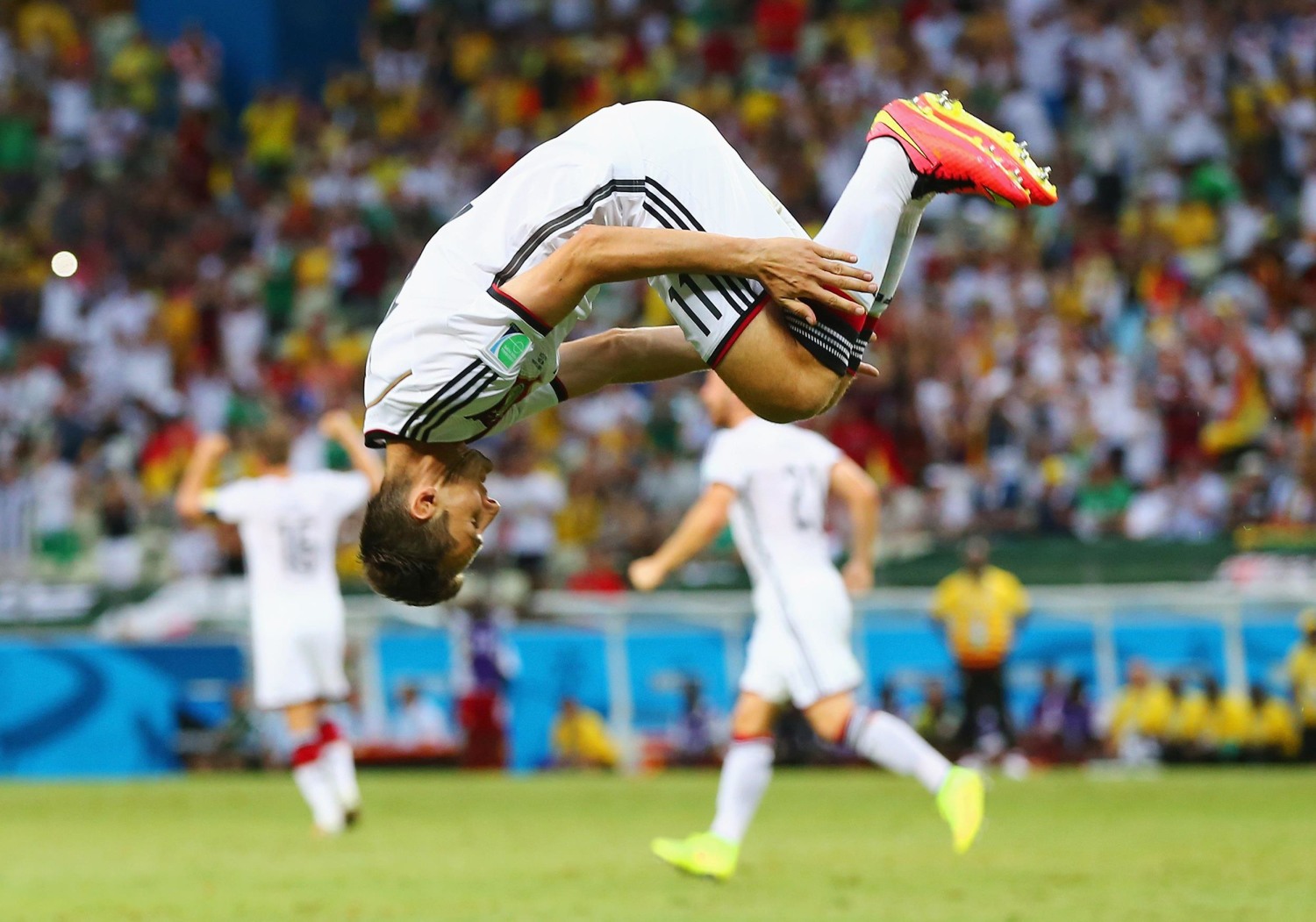
Miroslav Klose holds the record for most goals in World Cup history with 16 goals. His consistency across four tournaments made him one of the greatest strikers in World Cup history.
Klose played a crucial role in Germany’s 2014 World Cup victory and demonstrated remarkable professionalism and finishing ability throughout his career.
9. Garrincha (Brazil)

Garrincha was one of the most entertaining players in football history. During the 1962 World Cup, he carried Brazil to victory after Pelé suffered an injury.
His extraordinary dribbling skills and attacking creativity made him nearly unstoppable. Garrincha remains one of the most beloved figures in World Cup history.
10. Paolo Rossi (Italy)
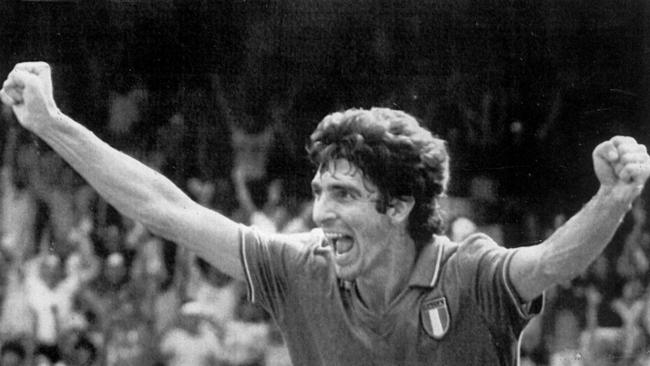
Paolo Rossi delivered one of the greatest comeback stories in football. After returning from suspension, Rossi played a crucial role in Italy’s 1982 World Cup victory.
His hat-trick against Brazil is one of the most iconic performances in World Cup history. Rossi finished the tournament as top scorer and helped Italy win the title.
What Makes a World Cup Player Truly Great?
Several factors define greatness in World Cup history:
Consistency
Players who perform across multiple tournaments leave a stronger legacy.
Match-Winning Performances
Iconic goals and decisive contributions in crucial matches elevate player status.
Leadership
Great World Cup players inspire teammates and carry their teams through difficult moments.
Historical Impact
Players who change football tactics or inspire generations achieve legendary status.
How World Cup Legends Influence Football History
World Cup legends do more than win trophies. They inspire young players, shape football culture, and redefine playing styles. Their performances influence coaching strategies, team structures, and fan expectations worldwide.
Players like Pelé, Maradona, and Messi have not only won World Cups but have also shaped football history through their skill, creativity, and passion.
Conclusion
The FIFA World Cup has produced countless legendary footballers, but only a few have defined entire generations of the sport. From Pelé’s dominance to Messi’s historic triumph, these players delivered unforgettable moments that continue to inspire football fans globally.
Their performances represent the essence of football — skill, passion, determination, and greatness under pressure. As new World Cups unfold, future legends may emerge, but these iconic players will forever remain symbols of football excellence.