
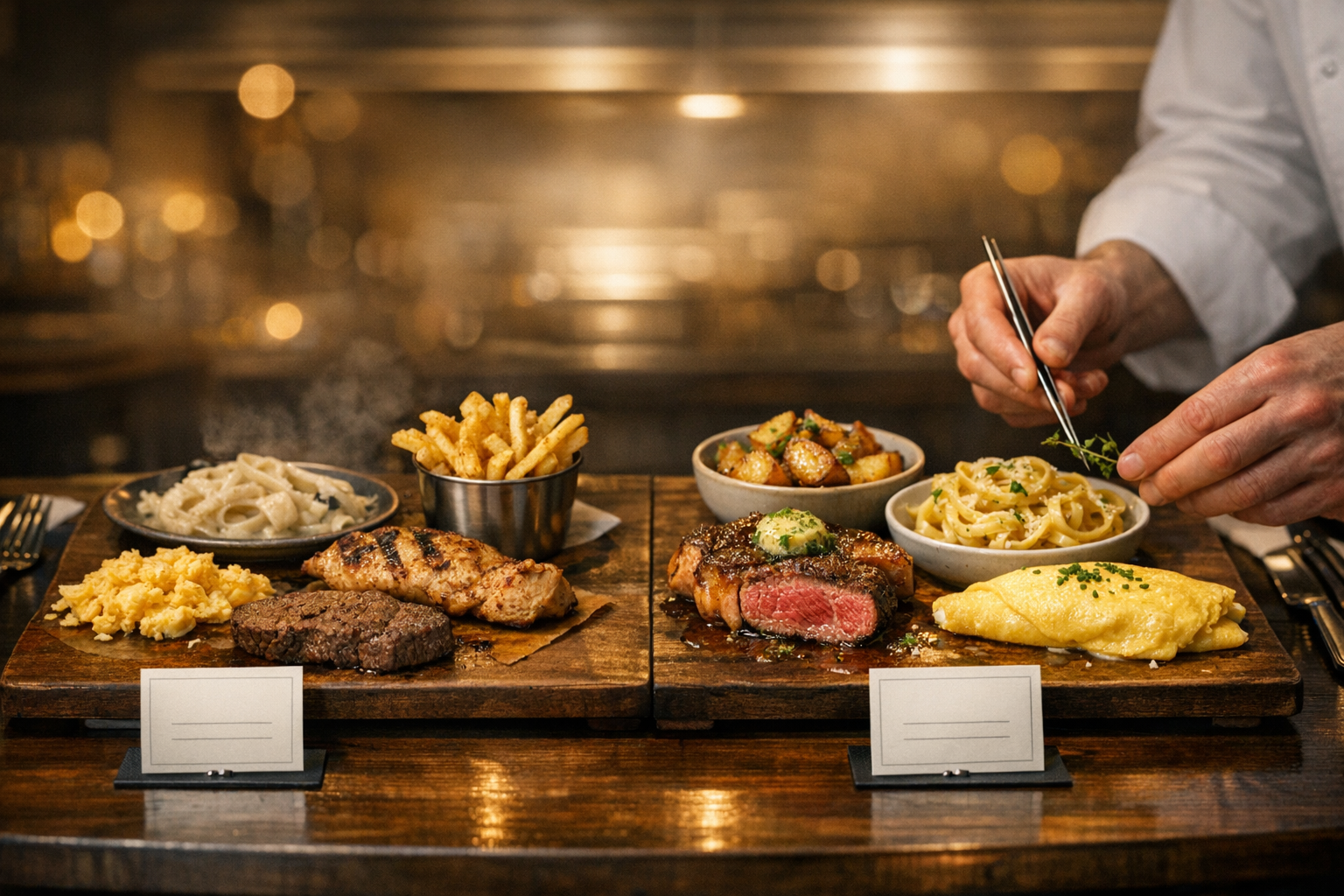
When dining out, we often trust chefs and restaurants to deliver meals that are both delicious and safely prepared. However, even the most polished establishments have certain menu items that industry insiders—the very chefs who run these kitchens—would never order themselves. From questionable hygiene to overpriced simplicity, there are surprisingly common dishes that seasoned culinary professionals consistently avoid.
Whether you’re a foodie or casual diner, knowing what not to order can save you from a disappointing experience—or worse, a food safety disaster. Professional chefs, who’ve seen the behind-the-scenes of countless kitchens, have strong opinions on what dishes to skip and why. Their advice may change the way you browse a menu forever. These insights aren’t just snobbery—they come from direct experience and an intimate understanding of food supply chains, kitchen hygiene practices, and the cost-value ratio of classic dishes.
Overview of 10 Dishes Chefs Recommend You Skip
| Dish | Reason to Avoid |
|---|---|
| Iceberg Lettuce Salad | Low nutritional value and overpriced |
| Chicken Dishes | High markup and easy to overcook |
| Fish on Mondays | Likely not fresh from the weekend |
| Specials Board Items | Could be a way to use older ingredients |
| Truffle Oil Dishes | Usually synthetic and overused |
| Soup of the Day | Often made from leftovers |
| Egg Dishes in Non-Brunch Menus | Requires prep timing that not all kitchens master |
| Raw Oysters | High risk if not properly stored |
| Wagyu Beef | Often misrepresented or overpriced |
| Well-Done Steaks | Ruins meat quality and flavor |
Why some popular menu items aren’t worth the hype
Professional chefs often emphasize that certain dishes, no matter how common, aren’t worth ordering due to poor value, questionable preparation, or misleading quality. Take iceberg lettuce salads, for example. These are often priced like gourmet appetizers, but offer little flavor or nutritional value. Instead of paying a premium for a few pale, crunchy leaves and mass-produced dressing, chefs suggest diners look for salads with fresh, seasonal greens and homemade vinaigrettes.
Another frequent offender is chicken. While a protein staple, chicken dishes are often cited for their high mark-up and ease of overcooking. You’re better off choosing proteins that are harder to prepare at home, offering more culinary value per dollar spent.
The risks of ordering fish on certain days
Despite its popularity, fish can be one of the riskiest items to order at restaurants—especially earlier in the week. Chefs advise against ordering seafood dishes on a Monday, since many establishments do not receive fresh deliveries over the weekend. The result? Fish that could be several days old by the time it reaches your plate.
“Unless I know the establishment gets daily deliveries, I never order fish on a Monday. You have no idea how long it’s been sitting.”
— Placeholder Name, Executive Chef
Why the special might not be so special
The “soup of the day” or “chef’s special” might sound enticing, but insiders warn that these dishes are often strategies to use up ingredients nearing expiration. While not necessarily unsafe, they’re not always the restaurant’s best culinary effort. Special board items often lack the refinement or consistency of items that are regularly prepared from scratch.
“Specials are often made to repurpose yesterday’s leftovers into something profitable. It can be hit or miss.”
— Placeholder Name, Restaurateur
The illusion of truffle oil glamour
Truffle oil has become synonymous with luxury, but many chefs criticize it for being a synthetic product that adds artificial flavor without any real depth. Authentic truffles are expensive and rare, so what you’re likely getting is something that tastes overly pungent and remotely chemical. As a result, dishes doused in truffle oil often mask rather than enhance the ingredients.
Egg dishes reveal the kitchen’s timing woes
While eggs might seem like the simplest menu item, they’re actually one of the most timing-sensitive foods to prepare correctly. Overcooked yolks, rubbery whites, or undercooked centers can all ruin the dining experience. In establishments that don’t specialize in breakfast or brunch, kitchens may lack the timing precision required to serve perfect eggs consistently.
The price and risk of raw oysters
Nothing says upscale like a platter of freshly shucked oysters—but not all establishments handle this risky delicacy properly. Mishandling or improper storage of raw oysters can result in severe foodborne illnesses such as Vibrio or norovirus. Unless you’re dining at a dedicated oyster bar or seafood-specializing establishment with a solid reputation, it’s safer to skip the raw shellfish.
“If I don’t see oysters being prepared and stored the right way, I’d never touch them. It’s just too risky.”
— Placeholder Name, Seafood Chef
Why wagyu beef may not be what it seems
Premium beef like Wagyu or Kobe commands top-dollar prices, but not all “Wagyu” served at restaurants is authentic. In many cases, it’s a lower-grade crossbreed or poorly prepared, making it an unworthy splurge. True Wagyu, with its intricate marbling and texture, should melt in your mouth—but it also usually comes with a certification. If that’s missing, you may be overpaying for an imitation.
Well-done steak—ruining premium cuts
While steak doneness is a personal preference, most chefs cringe when someone orders a premium cut well done. High-quality beef is meant to be juicy and tender, and overcooking nullifies these qualities. Some restaurants even use lower-tier cuts if they know it will be cooked well done, figuring the diner won’t notice the quality anyway.
“Ordering a filet mignon well done is like throwing a Picasso into a fireplace.”
— Placeholder Name, Grill Master
How to make better dining decisions
Knowing what not to order is just as important as knowing what to order. Ask questions about sourcing, preparation times, and the freshness of ingredients. If your server or chef is transparent and informed, you’re more likely to end up with a satisfying experience. Additionally, opting for house specialties or seasonal ingredients generally yields a better bang for your buck.
Short FAQs about restaurant orders chefs avoid
What are the most overpriced items on restaurant menus?
Iceberg lettuce salads and chicken-based dishes are often cited for being overpriced compared to their actual food cost and complexity.
Is it really bad to order fish on a Monday?
Many chefs advise against it, as seafood deliveries typically don’t arrive over the weekend, leaving the fish less fresh by Monday.
Are daily specials always a red flag?
Not always, but in many cases they’re used to move older inventory or leftovers, which can compromise quality.
Why don’t chefs like truffle oil?
Most truffle oils are synthetic and deliver an artificial flavor that overwhelms the dish, rather than enhancing it.
Are raw oysters dangerous?
If improperly stored or sourced from questionable suppliers, they carry a high risk of foodborne illness.
Why is well-done steak frowned upon by chefs?
Cooking steak well-done removes moisture and flavor, essentially ruining the quality of the meat and making it tough.
Should I avoid Wagyu dishes?
Unless it’s verified as authentic, many “Wagyu” dishes are overpriced and misleading, offering none of the real Wagyu benefits.
Is soup of the day worth ordering?
It depends on the restaurant. Often it’s a way to use up leftovers, though some places do craft quality soups fresh each day.