
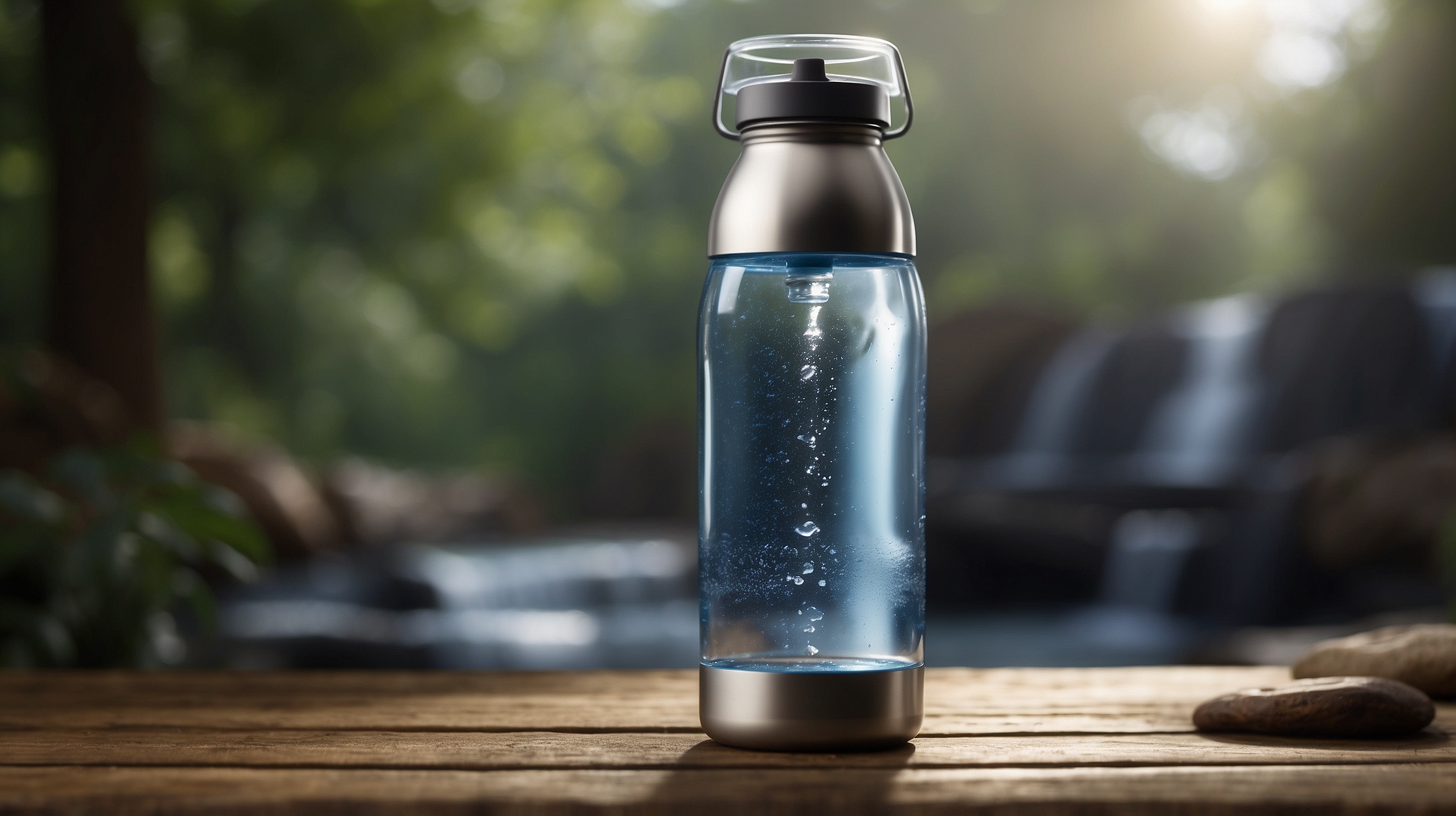
Reusable water bottles have become an essential part of everyday life for millions who are committed to reducing their environmental footprint and staying hydrated throughout the day. While these eco-friendly options are a smart replacement for single-use plastic bottles, they can pose hidden health risks if not cleaned regularly. What might seem like a harmless container can quickly become a breeding ground for bacteria, particularly when proper hygiene practices are overlooked. Just because you can’t see germs, doesn’t mean they aren’t there—and what lurks inside your reusable water bottle could surprise you.
One of the most alarming discoveries about reusable water bottles is the formation of what’s called a “biofilm”—a slimy layer of microbial buildup that can develop inside the cap, mouthpiece, or inner walls. Bacteria thrive in moist environments, and the crevices of a water bottle provide the perfect ecosystem for growth. Experts strongly suggest daily cleaning of these bottles to prevent ingesting harmful bacteria that could compromise your health. If you’ve been refilling your bottle day after day without giving it a proper scrub, you may be doing more harm than good.
Reusable water bottle hygiene essentials
| Concern | Microbial biofilm growth inside bottle components |
| Health Risks | Gastrointestinal illness, skin infections, weakened immune system |
| Most common contamination zone | Caps, spouts/mouthpieces, bottle necks |
| Recommended frequency of cleaning | Daily |
| Best cleaning method | Warm soapy water, bottle brush, cap disassembly, air drying |
| Disinfection suggestion | Weekly deep clean using vinegar or diluted bleach |
Why biofilm is more dangerous than you think
At first glance, a water bottle may appear perfectly clean. However, biofilm is often invisible to the naked eye. This collection of bacteria, yeast, and mold adheres to surfaces, especially in areas that are little seen and rarely cleaned, like the underside of a bottle lid or a twist cap. Over time, this buildup becomes more resilient and harder to remove, forming a stubborn layer that resists basic rinsing. Sadly, sipping from a bacteria-ridden bottle can mean exposing your body to pathogens like E. coli, Staphylococcus aureus, and others associated with stomach upset or infections.
Contaminated water bottles are silent enablers of infection—most people mistakenly assume a water bottle is low-maintenance, but really, it’s a feeding ground for bacteria if ignored.
— Dr. Karen Langford, Microbial Pathologist
How bacteria accumulate in your reusable bottle
Microorganisms exist everywhere—on your hands, lips, and even in the air. Every time you take a sip or refill your bottle, microscopic bacteria can be introduced into the bottle’s internal environment. The dark, moist atmosphere inside a closed container encourages these microbes to multiply quickly. Add to that residual saliva or even juice remnants (for those who mix beverages), and you’ve created a five-star resort for bacterial pathogens.
What’s particularly concerning is that common bottle designs often include tough-to-clean elements like rubber gaskets, flip-top lids, silicone straws, and intricate threading. These nooks and crannies make it easier for biofilm to hide and harder for you to remove without disassembling the entire unit. This is why rinsing alone simply won’t cut it—you need a thorough approach to cleaning.
Daily cleaning steps for safe hydration
To combat the danger posed by microbial buildup, experts emphasize the importance of daily cleaning, even if your bottle is used only for water. Here’s a comprehensive cleaning routine endorsed by health professionals:
- Disassemble all parts of the bottle, including the cap, gasket, and internal straw (if present).
- Wash all parts thoroughly with warm, soapy water using a dedicated bottle brush to scrub hard-to-reach spots.
- Rinse well with clean water to remove any soap residue.
- Allow all parts to air dry completely before reassembling
- Optional: Once per week, soak parts in a mild vinegar solution or diluted bleach (1 tsp bleach/gallon water).
Routine bottle hygiene should be as habitual as brushing your teeth. You consume liquids from these containers daily—treat them like an extension of your kitchenware.
— Meredith Tan, Public Health Educator
Material types and how they affect bacteria growth
Not all bottles are created equal. The material of your bottle can dramatically influence the types and volume of bacteria that may live within. For example, stainless steel bottles tend to host fewer bacteria than plastic due to being less porous. Plastic bottles may develop scratches over time that can harbor hidden microbes and be harder to sterilize thoroughly. Glass is the most inert and easiest to clean but is less durable during active use.
Regardless of material, however, all reusable bottles must be cleaned daily. Even antimicrobial bottles, while helpful in reducing certain germs on contact, are not a substitute for regular cleaning. Claims such as “self-cleaning” should be taken with a grain of salt—manual cleaning remains essential for health and peace of mind.
Symptoms you may overlook that signal bacteria exposure
It can be easy to ignore minor stomach upset or fatigue and not connect it to your water bottle use. However, several signs might indicate you’ve been exposed to unhealthy levels of bottle-harbored bacteria:
- Recurring nausea or stomach cramps
- Unexplained fatigue or malaise
- Mild skin infections around the mouth or lips
- Unusual taste or smell from the bottle
If you’ve experienced any of the above and also use a bottle regularly without cleaning it sufficiently, the cause may be closer—and more manageable—than you think.
Smart habits to keep your bottle in top condition
Beyond the basics of cleaning, developing smart routines can make all the difference. Here are a few healthy habits worth adopting:
- Avoid sharing bottles with others, which dramatically increases cross-contamination risk.
- Stick to water only, or clean your bottle immediately after any flavored beverage use.
- Store bottles with the cap off to allow airflow and prevent a moist environment from developing.
- Periodically inspect for mold, residue, or odor and replace bottles if necessary.
People often invest in high-end bottles for aesthetics or insulation—but overlook that how you maintain them has greater impact on your health than how expensive they are.
— Jenna Ruiz, Environmental Health Advocate
Frequently asked questions
How often should I clean my reusable water bottle?
Experts recommend cleaning your water bottle daily to prevent the buildup of bacteria and biofilm.
Is rinsing with water enough to clean the bottle?
No. Simply rinsing is not enough. Use warm soapy water and a bottle brush to clean all parts thoroughly.
Can I put my bottle in the dishwasher?
It depends on the manufacturer’s instructions. Some bottles are dishwasher-safe, but manual cleaning reaches more hidden areas.
How can I deep clean my water bottle?
Use a mixture of 1 teaspoon bleach per gallon of water, or vinegar solution. Soak components once a week as a deep clean.
Is it safe to reuse plastic bottles long-term?
Reusable plastics can become scratched over time, making them harder to clean. Consider replacing regularly or switching to stainless steel or glass.
Can biofilm make me sick?
Yes. Biofilm can contain harmful bacteria like E. coli or mold, which may cause gastrointestinal or skin issues.
What’s the best way to dry my bottle?
Allow all parts to air dry completely before reassembling to avoid moisture-driven bacteria growth.
Do antimicrobial or self-cleaning bottles really work?
They may reduce germ growth, but regular manual cleaning is still essential to ensure safety.