
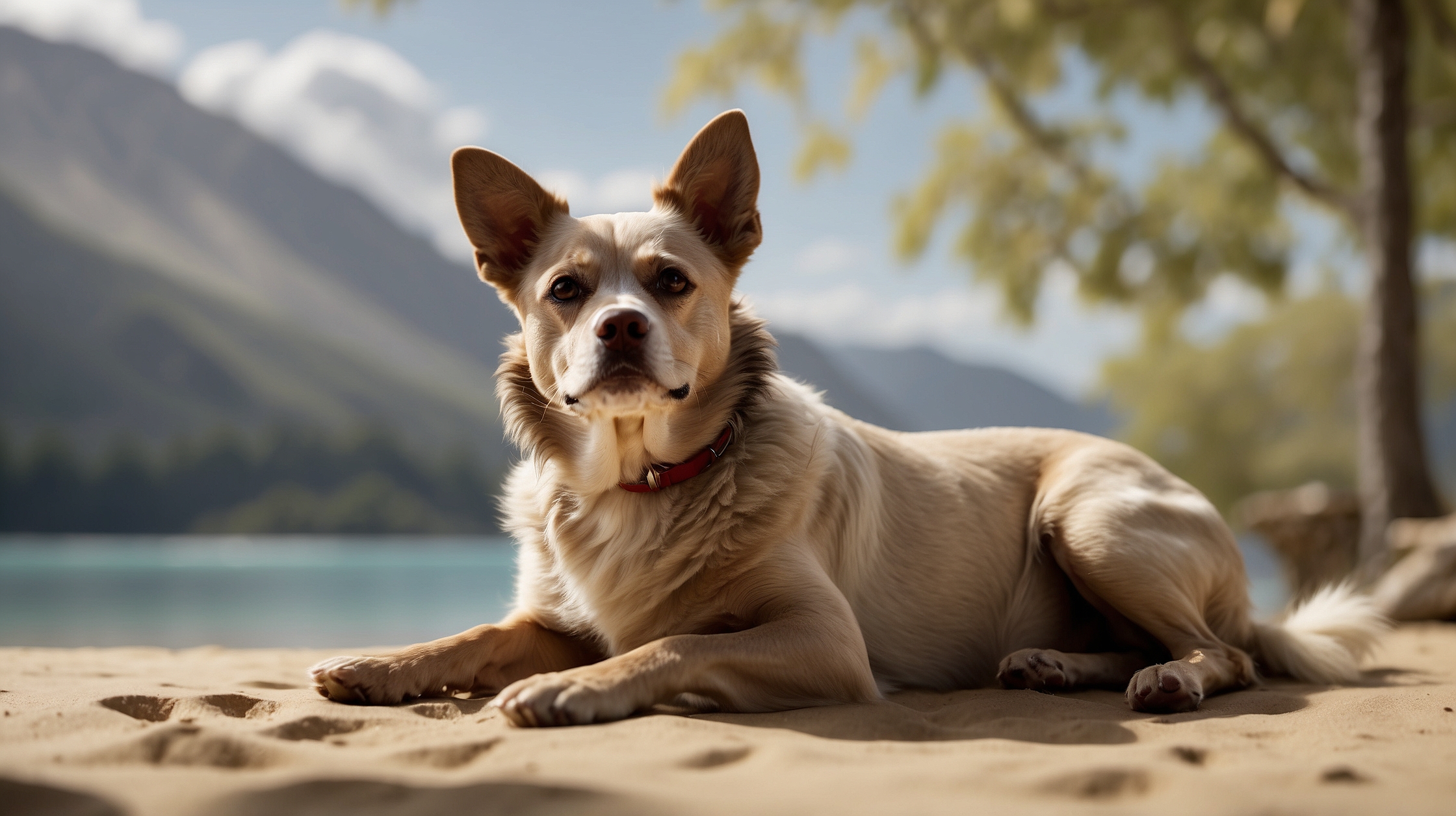
As temperatures climb during the summer, many pet owners instinctively turn to grooming tools in an effort to cool their furry friends. However, new insights and veterinary warnings suggest that trimming or shaving **double-coated dogs** may actually do more harm than good. Contrary to widespread belief, that thick fur coat plays a significant role in thermal regulation, protecting dogs not only from cold but also from extreme heat.
Double-coated breeds—like Golden Retrievers, German Shepherds, and Huskies—have evolved to regulate their body temperature naturally through their dense undercoats paired with the long guard hairs. Shaving off this protective layer compromises their ability to stay cool and exposes them to increased risks, including **heatstroke**, sunburn, and long-term coat damage. Veterinary professionals are increasingly voicing concern as well-intentioned pet owners continue to inadvertently create **dangerous scenarios** for their pets during summer months.
Dog summer grooming overview
| Aspect | Details |
|---|---|
| Breeds affected | Golden Retriever, Husky, German Shepherd, Border Collie, Australian Shepherd |
| Coat type | Double-coated (outer guard hairs + soft undercoat) |
| Main concern with shaving | Increased risk of heatstroke, sunburn, and poor coat regrowth |
| Recommended grooming | Deshedding, brushing, trimming (not shaving) |
| Veterinary stance | Shaving is not recommended for double-coated breeds |
| Safe cooling alternatives | Shaded play, cooling mats, proper hydration, air conditioning |
Why double-coated dogs are different
Double-coated dogs possess two layers of fur: a dense, soft undercoat that provides insulation and a top layer of guard hairs that repel dirt and moisture. This natural combination acts as a temperature stabilizer, keeping dogs warm in winter and cool in summer by allowing airflow close to the skin. When a dog sheds, which often occurs in spring and fall, they lose portions of the undercoat while the outer layer remains largely intact to regulate body temperature.
By shaving a double-coated breed, pet owners strip away this natural thermoregulatory system. The result? Instead of helping the dog stay cool, it can expose the skin directly to heat and UV rays, leading to sunburn and overheating. Moreover, the coat may not grow back evenly or correctly—sometimes leading to patchy or coarse regrowth that cannot fulfill the protective role it once had.
“Shaving a double-coated dog is like removing insulation from your attic just because it’s summer,”
— Dr. Emily Hart, Veterinary Dermatologist
The myth of helping dogs cool down
Many dog owners think shaving works the same way it does for humans—less hair equals cooler skin. But dogs don’t sweat the way humans do. They regulate their body temperature mainly through panting and the pads of their feet. The double coat provides a barrier, keeping body heat from accumulating and also shielding them from external heat.
Data from veterinary clinics nationwide point to a rise in **heat-related conditions** and irritations in dogs whose coats were unnecessarily shaved. Vets emphasize the importance of addressing the **root of overheating issues**, such as lack of shade or water, rather than taking clippers to a double coat.
“We’ve seen an uptick in heatstroke cases following improper summer trims, especially in breeds not adapted to direct sunlight exposure.”
— Dr. Raphael Lin, Emergency Vet Technician
The damage that follows prolonged shaving
Many pet owners who shave their dogs for a single summer find themselves dealing with long-term consequences. Unlike single-coated breeds, which typically regrow fur in a uniform manner, double-coated dogs experience changes to growth cycles when the undercoat is disrupted.
This often leads to a condition known as “post-clip alopecia,” where fur doesn’t grow back completely or evenly. The result is blotchy coats, a rougher texture, and sometimes permanent damage to the insulating properties of the coat.
Better grooming alternatives
If you’re aiming to keep your dog cool and comfortable, shaving is far from the only option. Veterinarians recommend **consistent brushing**, particularly during seasonal shedding periods. This removes excess undercoat and supports airflow without compromising the topcoat’s protective barrier.
Using proper grooming tools like undercoat rakes, slicker brushes, and deshedding blades can maintain coat health and prevent matting. Occasional light trimming—especially around paws, tail, or sanitary areas—is acceptable but should never compromise the integrity of the topcoat.
“Brushing out the shedding undercoat is far more effective and safer than shaving your dog into a pseudo-Labrador.”
— Lisa Monroe, Certified Master Groomer
Climates and canine comfort
Interestingly, many double-coated breeds were originally developed for colder climates—think Huskies and Bernese Mountain Dogs. Yet, they adapt reasonably well to warmer zones with intact coats due to the coat’s naturally insulating design. The key for pet owners in hot areas is **preventative care**: Ensure access to shade, water, and avoid peak heat hours when going for walks.
It’s also advisable to use **cooling mats**, elevated pet beds, and indoor fans or air conditioning to aid in your pet’s comfort. Never leave dogs in cars or outdoor spaces without adequate ventilation, as their risk of heat exhaustion spikes exponentially in such environments.
The growing veterinary consensus
Veterinarians across clinics and rescue organizations are echoing the same message with increasing urgency: **stop shaving double-coated dogs**. Education efforts are ramping up at grooming salons and animal shelters to help spread awareness about the protective importance of the double coat.
These efforts are not just about coat aesthetics. They’re about health, safety, and giving dogs the best natural defense system they already possess—a fully intact coat designed for protection across every season.
FAQs about double-coated dogs and summer grooming
Can I shave my double-coated dog during summer?
No, shaving a double-coated dog may increase the risk of heatstroke and skin damage. This coat should remain intact to aid in temperature regulation.
What’s the difference between single and double-coated dogs?
Single-coated dogs have one layer of fur that grows continuously, while double-coated breeds have two layers: a soft undercoat and a protective top layer.
How can I help my dog stay cool in hot weather?
Provide shade, fresh water, cool surfaces to lie on, indoor air conditioning, and avoid walking during the hottest parts of the day.
Is trimming okay if I don’t shave the entire coat?
Light trimming in select areas (like around the paws or rear) is generally considered safe, but full shaving is discouraged for double-coated breeds.
Will the fur grow back normally if I shave my dog once?
Possibly not. Shaving can permanently damage the coat’s natural growth pattern, leading to patchy, uneven, or coarse regrowth.
Do all vets recommend against shaving?
Yes, the veterinary consensus is that shaving does more harm than good for double-coated breeds. Grooming by brushing and deshedding is preferred.
What tools should I use to maintain a double coat?
Deshedding tools, undercoat rakes, slicker brushes, and combs designed for thick hair help maintain a healthy, breathable coat.
Can shaving my dog cause sunburn?
Yes, removing the topcoat exposes sensitive skin to UV rays, significantly increasing the chances of sunburn and skin cancer over time.